

Hear from Our Customers
You’ve noticed the musty smell in your basement. Maybe someone in your house has been dealing with allergies that won’t quit, or you’re coughing more at home than anywhere else. You might have had a leak a few months back and you’re wondering if it left something behind.
Here’s what most people don’t realize: mold grows where you can’t see it. Behind walls, under flooring, inside your HVAC system. By the time it’s visible, you’re usually dealing with a bigger problem than you needed to.
Professional mold testing gives you actual answers. Not guesses, not maybes—lab results that identify the specific types of mold in your home and their concentration levels. You’ll know if that musty smell is just dampness or if you’re dealing with something that needs attention. You’ll understand whether your family’s health symptoms are connected to what’s growing in your air. And if there is a problem, you’ll have documentation that helps you move forward with confidence—whether that’s remediation, an insurance claim, or just peace of mind before a real estate transaction.
We’ve spent over a decade and a half helping Springfield homeowners figure out what’s actually happening inside their walls. We’re not here to sell you remediation you don’t need. We’re here to test, document, and give you clear information so you can make the right call.
Springfield’s humid summers and older housing stock create perfect conditions for mold growth. We know where to look in these homes because we’ve seen it hundreds of times—around windows, in basement corners, near plumbing, in crawl spaces that don’t get enough airflow.
Our testing process uses the same advanced equipment and certified lab analysis that larger companies charge significantly more for. Infrared cameras, calibrated moisture meters, air sampling equipment—we’re checking for problems you can’t see with your eyes. And we’re doing it with the kind of straightforward communication that comes from actually caring whether you understand what’s going on in your own home.
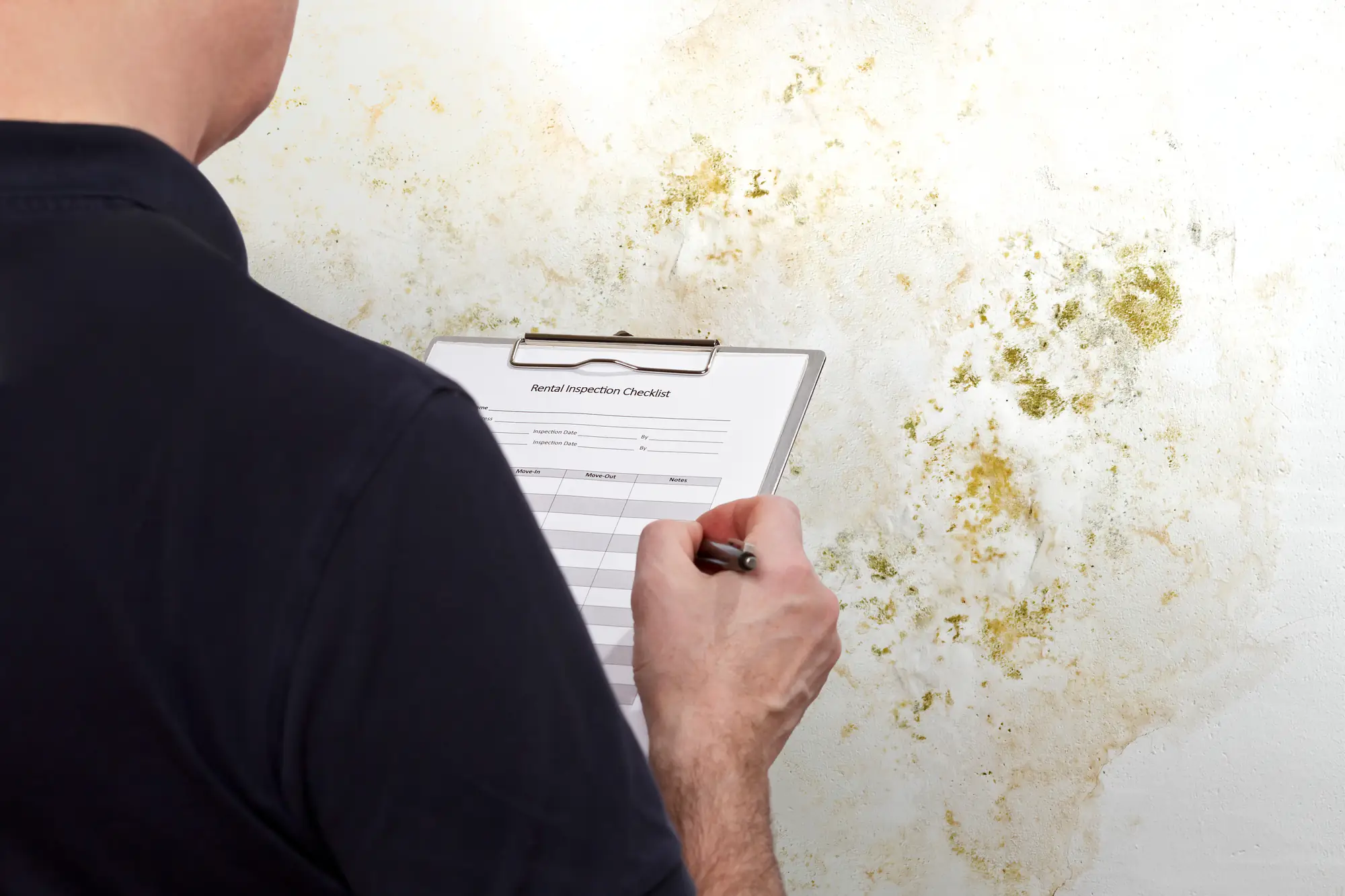
First, we walk through your home and talk about what you’ve noticed—smells, symptoms, past water issues, areas that concern you. This isn’t a checklist. It’s a conversation that helps us understand your specific situation.
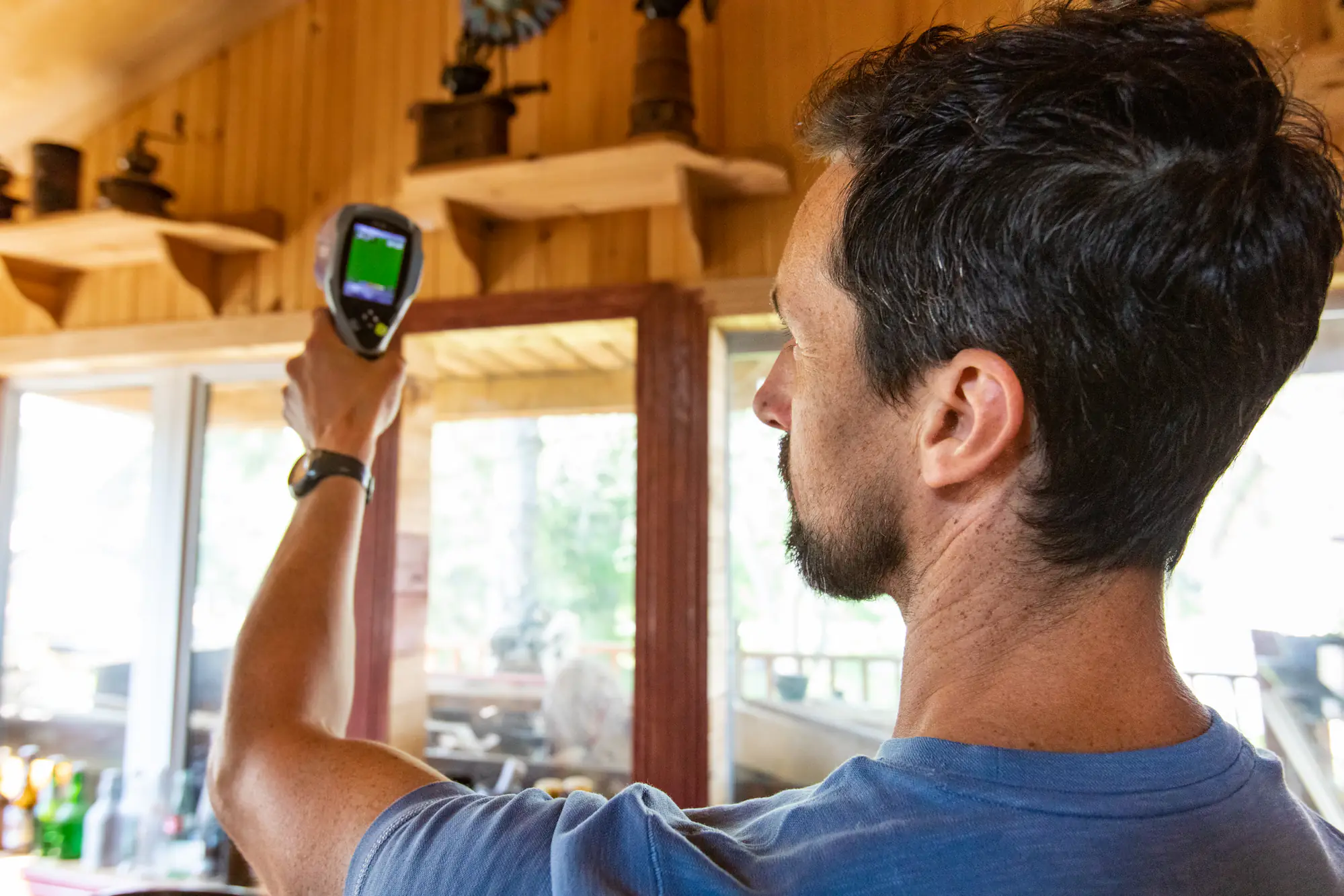
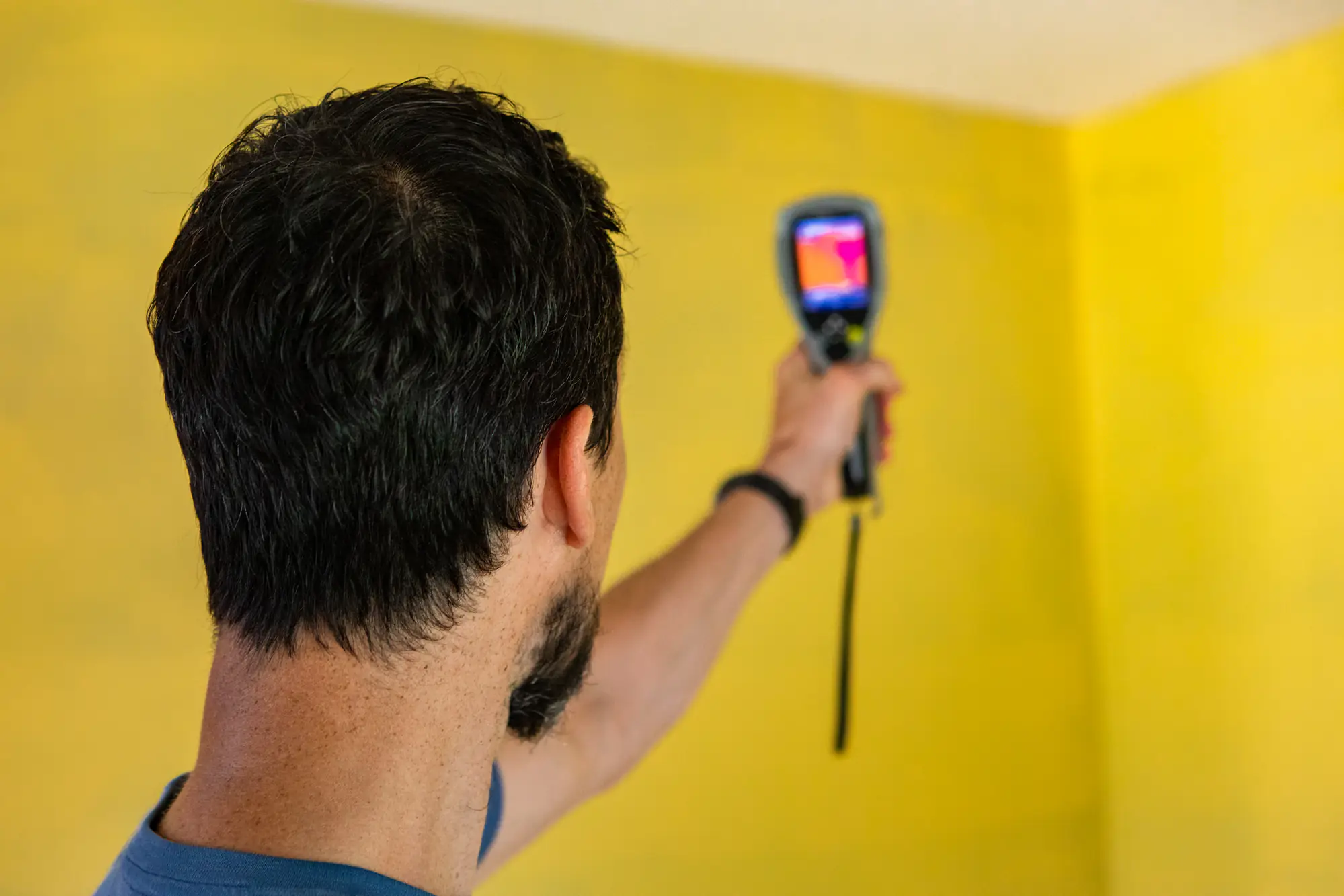
Then we start the visual inspection. We’re looking at the obvious spots and the hidden ones—behind furniture, inside closets, around HVAC vents, anywhere moisture tends to collect. We use thermal imaging cameras to detect temperature differences that indicate moisture problems behind walls. We take moisture readings in areas that look suspicious or have a history of water exposure.
If we find visible mold or detect conditions that suggest hidden growth, we collect samples. Air samples capture spore levels throughout your home. Surface samples test specific areas where we see growth or discoloration. These samples go to an independent, certified laboratory—not an in-house facility, but a third-party lab that has no stake in what the results say.
You get a detailed report within a few days that breaks down exactly what was found, where it was found, and what the lab identified. We walk you through the results in plain language and answer your questions. If remediation is needed, we explain what that looks like. If it’s not, we tell you that too.
Ready to get started?
Your mold testing service includes a complete visual inspection of your property using professional-grade equipment. We’re talking thermal imaging to spot hidden moisture, digital moisture meters calibrated daily for accuracy, and air quality monitoring that measures spore concentrations in different areas of your home.
We collect air samples from multiple locations—typically at least two, sometimes more depending on your home’s size and layout. These samples capture what’s actually floating around in the air you’re breathing. If we identify visible growth or suspicious areas, we take surface samples to determine the exact species present.
All samples are analyzed by certified laboratories that specialize in mold identification. You receive a comprehensive report that lists every mold type detected, its concentration level, and whether those levels are considered normal or elevated for indoor environments. The report includes moisture readings, photos of areas we tested, and our professional assessment of what the findings mean for your home.
Here’s what matters for Springfield homeowners specifically: we pay extra attention to basements and crawl spaces. Pennsylvania’s humidity levels regularly exceed 70% in summer months, and homes in this area—especially older ones—weren’t always built with the moisture management features that newer construction includes. We know the common problem areas in Springfield homes because we’ve tested them for years. That local knowledge means we’re less likely to miss something.
Basic residential mold testing in Springfield typically starts around $300 to $350. That usually covers a thorough visual inspection with moisture detection equipment and two air samples sent to a certified lab for analysis.
If your home is larger or you need additional sample locations tested, the cost goes up—usually about $50 per additional sample. So a more comprehensive test with four or five samples might run $400 to $450. Surface sampling, if needed to test visible growth, may add to the total depending on how many areas need testing.
What you’re paying for is accuracy and expertise. The equipment we use—thermal cameras, calibrated moisture meters, professional air sampling pumps—isn’t cheap, and neither is certified laboratory analysis. But compared to the cost of ignoring a mold problem (remediation often runs $3,000 to $20,000 depending on severity), testing is a small investment that either gives you peace of mind or catches an issue before it gets expensive.
A mold inspection is the visual assessment—walking through your home, looking for signs of mold growth, checking for moisture problems, identifying conditions that could lead to mold. It’s about finding visible issues and understanding where problems might be hiding.
Mold testing goes further. It involves collecting actual samples—air samples, surface samples, sometimes bulk samples of materials—and sending them to a lab for analysis. Testing tells you what types of mold are present and at what concentration levels. It gives you specific, documented results instead of just observations.
Most professional services, including ours, combine both. We inspect your home thoroughly, and if we find concerning areas or you’re experiencing symptoms that suggest mold exposure, we collect samples to confirm what’s there. You need both pieces—the inspection identifies where to look, and the testing confirms what you’re dealing with. One without the other leaves you with incomplete information.
Lab results typically come back within three to seven business days after we collect samples. Some labs can turn around air quality results in 24 to 48 hours if you need faster answers, though that sometimes costs a bit more.
The timeline depends on what’s being tested. Air samples usually process faster than surface or bulk samples because the analysis is more straightforward. If the lab identifies something unusual or needs to do additional testing to confirm a species, it might take a day or two longer.
Once we receive the lab report, we review it and then walk you through the findings. We don’t just email you a technical document and leave you to figure it out. We explain what was found, what the concentration levels mean, whether they’re normal or concerning, and what your options are if action is needed. That conversation usually happens the same day we get results, or within 24 hours if we need to schedule a time that works for you.
Yes, but it’s more nuanced than just “dangerous” or “safe.” Lab analysis identifies the specific mold species present in your home and their concentration levels. Some species are more associated with health effects than others—black mold (Stachybotrys) gets a lot of attention, but other types like Aspergillus, Penicillium, and Chaetomium can also cause problems depending on the person and the exposure level.
What makes mold a health concern isn’t just the type—it’s the concentration and who’s being exposed. Higher spore counts increase risk. People with asthma, allergies, weakened immune systems, or respiratory conditions are more vulnerable. Young children and elderly family members face higher risk too.
The lab report shows you what’s there and at what levels. We help you understand what those findings mean for your specific situation. If levels are elevated or if species known to produce mycotoxins are present, we’ll tell you that remediation is worth considering. If levels are normal for indoor environments and no concerning species are detected, we’ll tell you that too. The goal is to give you enough information to make an informed decision about your family’s health and your home.
If you can see mold growth, you already know you have a mold problem—testing won’t change that. The question is whether testing still adds value, and often it does.
Testing visible mold tells you exactly what species you’re dealing with. That information helps determine the right remediation approach and whether the mold poses specific health risks. It also gives you documentation if you’re filing an insurance claim or dealing with a real estate transaction where you need official records.
More importantly, visible mold is often just part of the problem. If you’re seeing growth in one area, there’s a good chance you have elevated spore levels elsewhere or hidden growth you haven’t found yet. Air testing shows whether mold spores have spread throughout your home’s air system. It helps identify other areas that might need attention even if you can’t see anything wrong.
So while testing isn’t required if mold is visible, it gives you a complete picture instead of just addressing what’s obvious. You’ll know the full scope of what you’re dealing with, and you’ll have baseline data to compare against after remediation to confirm the problem was actually solved.
It depends on why you need testing. If mold growth resulted from a covered event—like a burst pipe, roof leak, or sudden water damage—many homeowners insurance policies will cover the testing as part of the claim. The key word is “sudden.” Gradual damage from long-term leaks or maintenance issues usually isn’t covered.
Your policy might also cover testing if you’re documenting the extent of damage for a claim you’re already filing. Insurance companies often want professional assessments to determine what remediation is necessary, and testing provides that documentation.
What’s typically not covered is testing done for general concerns, routine home maintenance, or issues that developed slowly over time due to humidity or poor ventilation. If you’re testing because you want peace of mind or you’re buying a home, that’s usually out-of-pocket.
The best approach is to call your insurance company before scheduling testing and ask specifically whether your situation would be covered. If it is, get that confirmation in writing. We can provide the documentation and detailed reporting your insurer needs to process a claim, but knowing your coverage up front saves you from surprise expenses later.